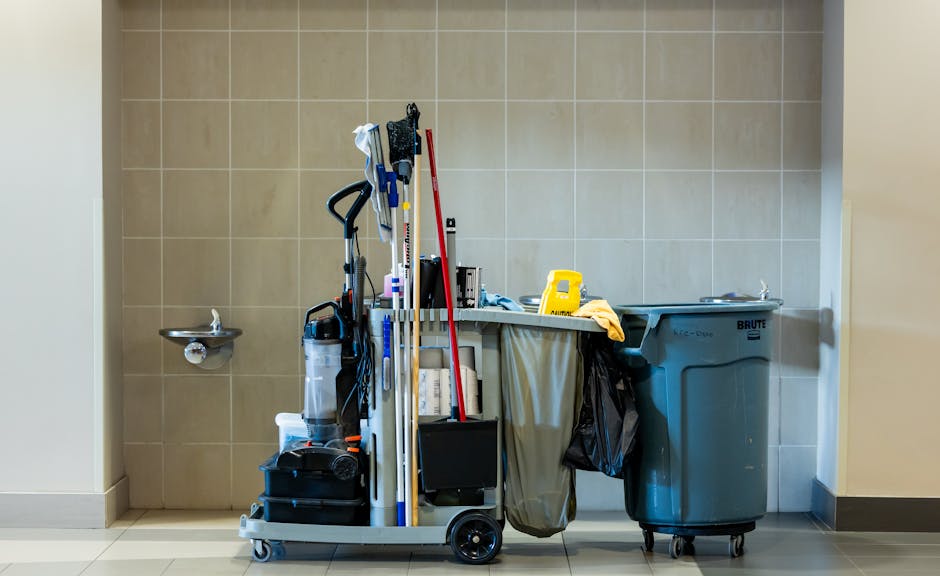
Office cleaning for Devons Road businesses in Bow
If you run a business near Devons Road in Bow, you already know that a tidy office is never just about appearances. It affects how staff feel on a Monday morning, how clients judge you at the door, and how smoothly a busy day runs when desks, bins, kitchens and meeting rooms all get used hard. Office cleaning for Devons Road businesses in Bow is really about keeping the working environment calm, presentable and safe without turning it into a constant battle.
In a busy London setting, dust builds up quickly, foot traffic brings in grime, and shared areas can go from "fine" to slightly chaotic in no time. This guide breaks down what office cleaning involves, why it matters locally, how the process works, and what to look for when choosing a service. You'll also find a comparison table, a practical checklist, and a few down-to-earth tips that help you avoid the usual headaches. Simple enough. But useful, too.
Contents
- Why Office cleaning for Devons Road businesses in Bow Matters
- How Office cleaning for Devons Road businesses in Bow Works
- Key Benefits and Practical Advantages
- Who This Is For and When It Makes Sense
- Step-by-Step Guidance
- Expert Tips for Better Results
- Common Mistakes to Avoid
- Tools, Resources and Recommendations
- Law, Compliance, Standards, or Best Practice
- Options, Methods, or Comparison Table
- Case Study or Real-World Example
- Practical Checklist
- Conclusion
- Frequently Asked Questions
Why Office cleaning for Devons Road businesses in Bow Matters
An office is one of those places where small issues quietly grow. A few fingerprints on glass doors, a stained carpet near the entrance, a kettle ring on the counter, and suddenly the whole space feels a bit tired. For businesses around Devons Road, that matters because offices here often sit within active commercial and mixed-use surroundings, where clients, visitors, suppliers and team members come and go throughout the week.
Good cleaning supports more than visual presentation. It helps protect flooring, desks, upholstery and washrooms from avoidable wear. It also reduces that low-level irritation people feel when shared spaces are neglected. You know the feeling: sticky table edges, a slightly whiffy bin, the meeting room that nobody wants to use. Not dramatic, but it chips away at morale.
There's also a practical side. If your team works hybrid patterns, you may have fewer people in the office on some days, but the space still needs to feel ready. If you receive clients or partners, the office becomes part of your brand experience. In that sense, cleaning is not a background chore; it is part of how the business operates.
For many firms, the sweet spot is a routine clean supported by occasional deeper attention. That may include regular cleaning for daily upkeep and a more detailed deep cleaning service when the office needs a proper reset. The exact mix depends on your layout, traffic levels and the kind of work you do.
How Office cleaning for Devons Road businesses in Bow Works
Office cleaning usually starts with a walkthrough or a clear brief. A good cleaner will want to understand your floors, workstations, kitchen area, toilets, bins, reception, and any surfaces that need special care. That first bit matters, because not every office has the same rhythm. A small creative studio is different from a shared professional suite or a back-office operation with heavy daily traffic.
From there, the cleaning plan is matched to frequency. Some offices need a quick, reliable evening clean after staff leave. Others need a daytime tidy-up, or a weekly service with a deeper monthly refresh. In practice, this can include:
- dusting desks, shelves and skirting areas
- emptying bins and replacing liners
- sanitising touchpoints such as handles and switches
- cleaning kitchen counters, sinks and appliance exteriors
- wiping washroom surfaces and restocking where agreed
- vacuuming carpets and mopping hard floors
- spot-cleaning glass, doors and visible marks
If the office has carpets, they may need periodic specialist attention. A service such as carpet cleaning can help lift soil that standard vacuuming will never fully remove. Likewise, upholstered chairs and reception seating often benefit from upholstery cleaning if you want them to stay fresh rather than just look acceptable from a distance.
For offices with large windows or lots of glass, window cleaning is one of those jobs that quietly changes the whole feel of the place. More daylight, fewer smears, better first impressions. It sounds small. It isn't, really.
Most importantly, office cleaning should be repeatable. The best results come from a method that is consistent, documented and easy to adjust. A one-off "spruce up" can help, but ongoing commercial cleaning tends to deliver the most stable, professional outcome. If you want a broader service that supports the whole premises, you can also look at commercial cleaning for a more rounded approach.
Key Benefits and Practical Advantages
Office cleaning earns its place when it solves daily problems before they become visible problems. In Bow, where businesses often compete for attention in compact and busy surroundings, the gains can be surprisingly tangible.
- Better first impressions: clients notice clean floors, organised reception areas and fresh-smelling meeting spaces straight away.
- Less distraction for staff: people work better when their surroundings feel cared for and predictable.
- Longer life for surfaces: dust, grit and spills wear down flooring and furniture faster than most owners expect.
- More usable shared space: kitchens and breakout areas become genuinely pleasant instead of vaguely avoided.
- Improved consistency: everyone knows the office will be ready, rather than waiting for someone to "get around to it".
There is also a confidence benefit that people sometimes underestimate. When the office is clean, staff tend to keep it cleaner. It's a ripple effect. A tidy desk zone invites tidy behaviour; a neglected kitchen tends to encourage more neglect. Human nature, really.
Another practical advantage is flexibility. Many businesses only need a regular core service and the occasional add-on. For example, an office might use regular cleaning most weeks, then add one-off attention before a client event, an audit, a move, or after a particularly messy quarter. That kind of tailored approach often works better than forcing everything into one rigid package.
If your workplace has shared corridors, entrances or stair areas, a linked service such as communal area cleaning may also make sense. Those spaces collect dust and footprints faster than office managers would like to admit.
Who This Is For and When It Makes Sense
Office cleaning for Devons Road businesses in Bow suits a wide range of workplaces, but it is especially useful if your business depends on presentation, shared facilities or regular footfall. That includes professional services firms, small offices, local agencies, consultancies, back-office teams, and multi-tenant premises where multiple people use the same rooms each day.
It also makes sense when:
- staff have started spending more time back in the office
- your reception or meeting areas are client-facing
- you're noticing recurring dust, fingerprints or bathroom issues
- the office kitchen is becoming a source of tension
- flooring and furniture look dull sooner than expected
- you need help keeping standards steady without using staff time
Some businesses only need cleaning after a specific event, such as a refurbishment or a busy period. In those cases, a one-off cleaning service can be the right fit. Others are dealing with a more substantial reset after messy works or fit-out changes, where after builders cleaning is more appropriate.
If you're moving into a new premises, or handing over an old one, it may also be worth considering move in cleaning or move out cleaning. Offices, like homes, have a way of revealing every hidden corner when the furniture shifts. Bit inconvenient. Also useful, because nothing gets missed.
Step-by-Step Guidance
If you are planning office cleaning for the first time, or reviewing an existing setup, here is a sensible way to handle it.
- List the spaces that need attention. Include reception, desks, kitchens, toilets, meeting rooms, storage areas, and any shared corridors.
- Separate daily tasks from deeper tasks. Emptying bins and wiping counters may be regular jobs, while skirting, glass partitions or carpet treatment can sit on a less frequent cycle.
- Decide how often each area needs care. High-traffic zones usually need the most attention. Low-use rooms may need less.
- Identify sensitive items. This might include monitors, specialist equipment, plant displays, or furniture that needs specific products.
- Set a clear access arrangement. Who opens up? Who locks up? Are alarms involved? A smooth routine avoids awkward early-morning texts.
- Confirm standards and priorities. If something matters most, say so. Meeting room presentation, washroom freshness, and kitchen hygiene are often top priorities.
- Review after the first clean. A good service improves with feedback. A brief check-in can save months of minor irritation.
For many offices, the simplest approach is to start with a core cleaning schedule and add specialist tasks only when needed. That might mean routine office cleaning plus seasonal support such as deep cleaning before a busy quarter, or specific spot services like carpet or window care when surfaces show wear.
If you want a straightforward way to compare service options, ask yourself this: do you need visible upkeep, hygiene support, or a full reset? The answer usually points you in the right direction.
Expert Tips for Better Results
After enough office cleans, a few patterns become obvious. The places that stay clean are rarely the ones with the fanciest products. They're the ones with decent routines and clear expectations.
Start with the touchpoints. Door handles, kitchen taps, kettle buttons, lift controls, and light switches pick up grime first. If those are neglected, the whole space feels less cared for even if the floors are spotless.
Use the right frequency for the right room. Toilets and kitchens are not the same as storage cupboards. Treating them the same is one of those little mistakes that looks harmless until it becomes a habit.
Don't hide issues behind surface tidiness. If a bin area smells odd, or a carpet near reception is getting stained repeatedly, solve the cause rather than just masking it. A better mat, a changed layout, or a deeper clean often works wonders.
Protect the office between cleans. Provide wipes where appropriate, keep bins easy to use, and make the coffee station easy to tidy. People will comply more than you think if the setup makes sense.
Be realistic about materials. Some desks and finishes mark easily. Some upholstery holds dust like it's paying rent. A cleaner who understands these differences is far more valuable than someone who just follows a generic checklist.
And yes, small offices sometimes need even more discipline than larger ones. With fewer people, it's easy to assume things will "sort themselves out". They won't. Not usually.
Where sustainability matters, ask about product choices and waste handling too. A service aligned with recycling and sustainability can support better disposal habits without making the process complicated for your team.
Common Mistakes to Avoid
Office cleaning goes wrong in predictable ways. None of them are dramatic on their own, but together they can make a workplace feel unsettled and a little grim around the edges.
- Assuming "clean enough" is enough: visible tidiness can hide dirt in corners, under furniture and around fixtures.
- Ignoring the kitchen: offices often lose more goodwill over a neglected sink than over a dusty shelf.
- Skipping periodic deep cleans: routine cleaning is essential, but it does not replace a more thorough reset.
- Not defining expectations clearly: vague instructions lead to uneven results, and people end up disappointed for no good reason.
- Using the wrong products on the wrong surfaces: this can dull finishes, damage upholstery, or leave residue.
- Forgetting shared spaces: entrances, stairwells and corridors influence perception more than people expect.
A common one is leaving the cleaning brief in someone's head rather than writing it down. That works for about two weeks, maybe. Then somebody changes shift, takes annual leave, or simply forgets, and suddenly the office has drifted.
If your business has especially busy carpeted areas or fabric seating, don't leave them until they look tired. By then, you may need a more intensive treatment than you would have needed earlier. This is why services such as regular cleaning paired with periodic specialist care can be more effective than chasing problems after they appear.
Tools, Resources and Recommendations
You do not need a warehouse full of cleaning gear to keep an office in good shape, but the right basics make a difference. A sensible office setup usually includes:
- microfibre cloths for dust and surface wipes
- vacuuming equipment suitable for carpet and hard floors
- mops and floor-safe cleaning products
- sanitising products used correctly and not overused
- bin liners, paper towels and washroom essentials
- storage that keeps items organised and easy to restock
From a service point of view, it helps to think in layers. Daily or weekly upkeep covers the basics. Monthly or seasonal work handles the things you don't want staff trying to manage themselves. For example, a reception with fabric chairs may benefit from upholstery care, and office glass may need dedicated attention if fingerprints are constant.
Sometimes the best "tool" is a plain checklist on the wall or in the facilities folder. Nothing glamorous. Very effective, though.
For businesses that want a cleaner, more predictable workplace without overcomplicating the arrangement, the most useful pages to review are service details, pricing, and trust information. You can explore pricing and quotes when you are ready to compare options, and check insurance and safety if risk management matters in your decision-making. If you want to understand the company background first, about us is a sensible place to start.
Law, Compliance, Standards, or Best Practice
Office cleaning is not only about appearance. In the UK, businesses still have general responsibilities around workplace safety, cleanliness and making sure conditions are suitable for staff and visitors. The exact duties vary by setting, but it is wise to treat hygiene, slip risk, waste handling and safe product use as part of normal business care rather than an optional extra.
In practice, best practice usually means:
- using suitable products for the surface and task
- storing chemicals securely and sensibly
- keeping walkways free from avoidable hazards
- documenting any special access or safety requirements
- being clear about who is responsible for what
Where a cleaning provider is involved, it is reasonable to expect them to work in line with professional standards for health and safety, confidentiality and respectful conduct. A business that publishes clear policies, such as a health and safety policy and information about terms and conditions, gives you a better sense of how they operate day to day.
It is also sensible to ask how complaints are handled, especially if you are using a recurring service. Nobody loves raising issues, but a clear process matters when something needs fixing quickly. That kind of transparency usually tells you more than polished sales copy ever will.
And for businesses that care about ethical practice in their supply chain, it may be reassuring to review pages such as the modern slavery statement and the privacy policy. These are not the exciting parts, obviously, but they do matter.
Options, Methods, or Comparison Table
Different office cleaning arrangements suit different businesses. Here is a straightforward comparison to help you think it through.
| Cleaning option | Best for | Strengths | Watch-outs |
|---|---|---|---|
| Regular cleaning | Busy offices needing consistent upkeep | Keeps standards steady, prevents build-up, easy to plan | May still need deeper periodic work |
| Deep cleaning | Offices that feel worn, dusty or overdue a reset | More thorough, tackles neglected areas, restores freshness | Less suitable as the only long-term solution |
| One-off cleaning | Events, changes, or temporary needs | Flexible, useful for quick improvements | Does not replace routine maintenance |
| Commercial cleaning | Businesses needing broader premises support | Can cover offices plus shared or client-facing spaces | Requires a clear brief to avoid gaps |
If your office includes fabric furniture, carpets, or high-use meeting rooms, combining regular upkeep with targeted specialist services is often the most sensible route. That might mean carpet care, upholstery work, and window cleaning alongside the main office schedule. Not every business needs all of it. But many need more than they think.
Case Study or Real-World Example
Imagine a small office near Devons Road with a reception desk, one meeting room, a compact kitchen and a shared washroom. At first glance, the space looks fine. But by Thursday afternoon, the bins are fuller than expected, the meeting room table has a few coffee rings, and the carpet near the entrance shows a darker path where people keep walking in from outside.
The owner starts with a weekly clean, then adds a deeper monthly visit. The routine clean covers bins, floors, kitchen surfaces and washrooms. The monthly visit includes a more detailed pass: skirting boards, glass, fabric chairs, high-touch spots, and a more careful refresh of the carpet edge by the entrance. After a couple of cycles, the office stops drifting into that tired, slightly sticky state that everyone had quietly accepted before.
The change is not magical. No miracle spray, no dramatic transformation. Just consistent attention in the right places. Staff use the kitchen more happily, visitors walk in without hesitation, and the office feels easier to work in. That's the real outcome most businesses want anyway.
In some cases, a business may begin with a one-off reset and then move into a regular schedule. That can be a sensible way to get back to a good baseline, especially if the space has been neglected during a busy trading period or after a move.
Practical Checklist
Use this checklist before you arrange office cleaning or review your current setup.
- Have you listed every room and shared space that needs attention?
- Do you know which areas need daily, weekly or monthly cleaning?
- Are special surfaces, fabrics or equipment clearly noted?
- Is there a plan for bins, kitchen areas and washrooms?
- Are access times and entry instructions agreed?
- Have you checked whether carpet, window or upholstery care is needed?
- Do you know what to expect from a standard clean versus a deep clean?
- Have you confirmed any safety or insurance details that matter to your workplace?
- Is there a simple way to share feedback after the first visit?
- Have you decided whether this is a one-off, regular or broader commercial service?
If you can tick most of those off, you are already ahead of many offices. Really. A clear brief saves time, reduces friction and keeps the whole arrangement pleasantly boring, which is usually exactly what you want from cleaning.
Get a free quote today and see how much you can save.
Conclusion
Office cleaning for Devons Road businesses in Bow is one of those services that quietly supports everything else. It helps your premises feel more organised, your team feel more comfortable, and your visitors see a business that pays attention to the details. When done well, it is steady, unobtrusive and genuinely useful.
The best approach is usually simple: match the service to the office's real life, not the ideal version of it. Busy reception? Give it more attention. Shared kitchen? Make it part of the routine. Fabric chairs, carpeted zones, glass frontage? Bring in specialist support where needed. That mix tends to work far better than a one-size-fits-all approach.
If you are comparing options, start with the basics, ask sensible questions, and choose a provider that feels organised and transparent. Then stick with a routine that makes the office feel easy to walk into on a Tuesday morning. That's the quiet win, and honestly, it matters more than people think.
Small things add up. A fresh office changes the mood of the day, and sometimes that is exactly the lift a business needs.
Frequently Asked Questions
What does office cleaning usually include?
Most office cleaning covers dusting, vacuuming, mopping, bin emptying, kitchen surface wipes, washroom cleaning and touchpoint sanitising. Some businesses also ask for windows, carpets or upholstery to be handled separately.
How often should a small office in Bow be cleaned?
That depends on traffic and layout, but many small offices benefit from at least weekly cleaning, with higher-use spaces needing more frequent attention. Kitchens and washrooms usually need the most regular care.
Is regular cleaning better than one-off cleaning?
For most offices, yes. Regular cleaning prevents build-up and keeps the workplace consistently presentable. One-off cleaning is useful for special situations, but it does not replace a stable routine.
Do office cleaners clean carpets and sofas too?
Sometimes, but not always as part of the standard visit. Carpets and upholstered seating often need specialist treatment, so it is worth asking whether additional services are available when you need them.
What should I ask before booking office cleaning?
Ask what is included, how often the cleaning will take place, whether they can handle special surfaces, what happens if something goes wrong, and how they manage safety and access. Clear answers tend to save a lot of hassle later.
Can office cleaning be arranged outside business hours?
Yes, many businesses prefer early morning, evening or weekend visits so cleaning does not interrupt staff or clients. The right schedule depends on your building access and working patterns.
What is the difference between office cleaning and commercial cleaning?
Office cleaning focuses on workspaces, desks, kitchens, toilets and client-facing areas within an office. Commercial cleaning is broader and may include shared entrances, corridors, larger premises or multiple property types.
How do I know if my office needs a deep clean?
If surfaces look tired, dust keeps returning quickly, carpets have visible marks, or the space feels less fresh even after regular cleaning, a deep clean is usually a sensible next step. It gives the office a proper reset.
Are cleaning products safe for office use?
They should be when chosen and used correctly. Safe storage, proper dilution and surface-appropriate products matter. If you have sensitive materials or equipment, it is wise to mention that in advance.
What if my office has shared corridors or communal spaces?
Then it can help to include those areas in the cleaning plan rather than treating them as an afterthought. Shared spaces shape the first impression of the whole workplace, which people often underestimate.
Can I combine office cleaning with other services?
Yes. Many businesses pair office cleaning with window cleaning, carpet care or upholstery cleaning, especially when the space has high footfall or client-facing areas that need to stay sharp.
How do I get a quote without overcomplicating it?
Keep it simple: describe the rooms, frequency, access times, and any extra tasks you want included. A clear brief usually leads to a clearer quote, and a better fit overall.