Deep Cleaning in Homes and Businesses: A Practical Approach to a Healthier, Fresher Space
Deep cleaning is more than a quick tidy-up. It is a detailed, top-to-bottom cleaning process designed to remove dirt, grime, allergens, bacteria, and hidden buildup that regular cleaning often misses. Whether you are preparing for a special event, recovering after a busy season, moving into a new place, or simply wanting a healthier environment, deep cleaning can transform the way a home or workplace looks, feels, and functions.
Many people search for deep cleaning when surfaces start to look dull, corners collect dust, and everyday routines no longer keep up with the mess. In reality, deep cleaning services can help restore freshness, improve indoor air quality, and support a more organized lifestyle. When done properly, deep cleaning in any space creates visible results and lasting benefits.
In this article, we will explore what deep cleaning includes, why it matters, which areas deserve the most attention, and how to plan a thorough cleaning routine that works. You will also learn practical tips, common mistakes to avoid, and why hiring professional deep cleaning services can save time and effort. If you want a cleaner, more comfortable space, this information will help you take the next step.
What Is Deep Cleaning?
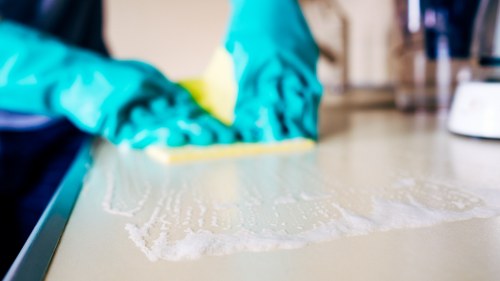
Deep cleaning is a detailed cleaning process that goes far beyond routine dusting, vacuuming, and wiping. It focuses on removing embedded dirt, sanitizing high-touch areas, and cleaning spots that are often ignored during regular maintenance. This includes behind appliances, inside cabinets, baseboards, vents, light switches, and other hard-to-reach areas.
Unlike standard cleaning, deep cleaning addresses buildup that accumulates over time. Grease in the kitchen, soap scum in the bathroom, dust on ceiling fans, and grime along window tracks are all examples of issues that require a deeper approach. That is why deep cleaning services are especially valuable in homes, offices, rental properties, and commercial spaces that need a full refresh.
Another important point is that deep cleaning supports long-term cleanliness. Once the hidden buildup is removed, routine cleaning becomes easier and more effective. In other words, deep cleaning lays the foundation for a healthier, more manageable environment.
Why Deep Cleaning Matters
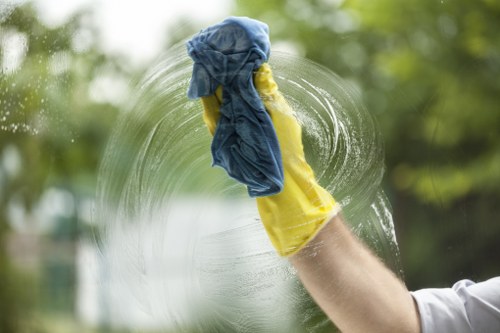
There are many reasons people choose deep cleaning in their homes or businesses. One of the biggest benefits is hygiene. Dust, pet dander, mold spores, and bacteria can collect in overlooked areas and affect indoor air quality. A deep cleaning routine helps reduce these contaminants and supports a cleaner living or working environment.
Deep cleaning also improves the appearance of a space. Shiny floors, polished fixtures, fresh-smelling rooms, and spotless surfaces make a strong impression on guests, customers, and family members. For businesses, this can contribute to a professional image and a more welcoming atmosphere. For homeowners, it can create a sense of comfort and pride.
Finally, deep cleaning can protect your investment. Carpets, countertops, furniture, appliances, and flooring last longer when grime is removed regularly. Instead of allowing dirt to damage surfaces over time, deep cleaning helps preserve them. That makes it a practical choice as well as a cosmetic one.
Key Areas Covered in Deep Cleaning

Deep cleaning is most effective when every major area of a property is carefully addressed. The goal is not just to make things look neat, but to clean thoroughly in places where dirt tends to hide. A well-planned service usually includes a combination of surface cleaning, detail work, sanitizing, and stain removal.
Common areas included in deep cleaning services are kitchens, bathrooms, bedrooms, living areas, hallways, and entryways. In commercial settings, this may also include break rooms, conference rooms, reception areas, restrooms, and shared workspaces. Each area requires a different cleaning method depending on the materials, level of buildup, and frequency of use.
Below are some of the most important places to focus on during a deep cleaning session:
- Baseboards, trim, and corners
- Behind and underneath furniture
- Appliance exteriors and interiors
- Light fixtures, fans, and vents
- Bathroom tile, grout, and drains
- Window sills, tracks, and blinds
- Cabinet shelves, handles, and drawer fronts
- High-touch surfaces such as switches and door handles
Deep Cleaning in the Kitchen

The kitchen is one of the most important rooms to deep clean because it collects grease, crumbs, spills, and food residue quickly. Regular cleaning can keep the surface areas looking decent, but deep cleaning in the kitchen reaches the hidden spots that cause odors and buildup over time. This includes inside the oven, around the stove, behind small appliances, and under the sink.
A proper kitchen deep cleaning often starts with removing items from counters and cabinets so every surface can be wiped down. Appliances are moved where possible, shelves are cleaned, and handles are sanitized. Deep cleaning here also means tackling sticky cabinet fronts, grimy backsplash tiles, and refrigerator shelves that may have spilled food or condensation.
For best results, many homeowners follow a step-by-step routine:
- Declutter counters and remove loose items.
- Clean the refrigerator, oven, and microwave.
- Scrub sinks, faucets, and drains.
- Wipe cabinet exteriors and interior shelves.
- Clean floors thoroughly, including edges and corners.
Pro tip: If your kitchen has heavy grease buildup or hard-to-remove stains, professional deep cleaning can save a lot of time and effort.
Deep Cleaning in Bathrooms
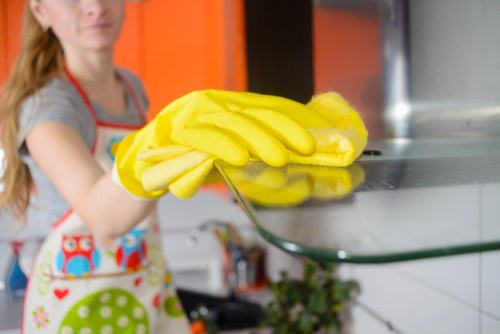
Bathrooms require frequent attention because they are exposed to moisture, soap residue, hair, and germs. Deep cleaning in bathrooms focuses on disinfecting and restoring surfaces that are often affected by moisture buildup. This includes toilets, sinks, showers, tubs, mirrors, grout lines, and floors.
One of the biggest challenges in bathroom deep cleaning is tackling soap scum and mineral deposits. These can form on glass doors, shower walls, faucets, and tile surfaces. A thorough cleaning process uses the right products and methods to break down grime without damaging materials. Vent fans, baseboards, and behind-the-toilet areas should also be cleaned carefully.
Here are some bathroom areas that need extra attention:
- Shower doors and tracks
- Tile grout and corners
- Toilet base and tank area
- Under-sink cabinets
- Mirror edges and light switches
- Ventilation fans and ceiling corners
Because bathrooms can harbor bacteria and odors, regular deep cleaning services can make a major difference in freshness and sanitation.
Deep Cleaning in Living Rooms and Bedrooms
Living rooms and bedrooms are often viewed as low-maintenance spaces, but they still collect dust, allergens, and clutter over time. Deep cleaning in these areas improves comfort and makes the entire home feel more peaceful. It often includes vacuuming under furniture, dusting ceiling fans, cleaning window coverings, and treating fabric surfaces.
In bedrooms, deep cleaning may involve washing bedding, sanitizing mattresses, wiping down bedside tables, and organizing closets. In living rooms, it can include cleaning upholstery, dusting electronics, moving furniture to reach hidden debris, and removing dust from decorative items. These tasks help maintain a healthier indoor environment and reduce allergy triggers.
For people with pets, children, or frequent visitors, these rooms need even more attention. Pet hair, fingerprints, crumbs, and everyday dust can collect quickly. A regular deep cleaning routine helps these areas stay comfortable, inviting, and easier to maintain between professional visits.
Commercial Deep Cleaning for Offices and Workspaces
Deep cleaning is not just for homes. Offices, retail stores, clinics, and other commercial properties also benefit from detailed cleaning. A clean workplace supports employee productivity, customer confidence, and overall professionalism. Since many people share the same surfaces and facilities, commercial deep cleaning helps reduce the spread of germs and improves the appearance of the business.
Office deep cleaning may include desks, shared equipment, break rooms, conference tables, carpets, restrooms, and reception areas. Depending on the business, it can also involve cleaning vents, sanitizing high-touch objects, and removing dust from shelves and electronics. These tasks are especially important in busy environments where routine cleaning is not enough.
Business owners often schedule deep cleaning services during slower periods, after renovations, or before important events. This keeps the space looking polished and creates a healthier setting for employees and visitors alike. If you want to maintain a strong first impression, deep cleaning in commercial spaces is a smart investment.
When Should You Schedule Deep Cleaning?
There is no single rule for how often deep cleaning should happen, because it depends on the size of the property, number of occupants, lifestyle, and cleanliness goals. However, many homes benefit from a full deep cleaning a few times per year, with routine cleaning in between. Busy households, pet owners, and families with young children may need it more often.
There are also specific situations when deep cleaning becomes especially important. Moving into a new home, moving out of a rental, preparing for guests, recovering from illness, finishing renovations, or dealing with seasonal buildup are all good reasons to schedule a deeper clean. In commercial settings, deep cleaning may be needed after a busy quarter, a special event, or a change in staff.
Signs that it is time for deep cleaning include stubborn odors, visible grime, dull surfaces, allergy flare-ups, and areas that no longer feel fresh even after routine cleaning. If you notice these problems, it may be time to book your service now and get a fresh start.
Benefits of Hiring Professional Deep Cleaning Services
While some people prefer to handle deep cleaning on their own, hiring professionals can offer major advantages. Professional cleaners bring experience, equipment, and products designed to remove buildup efficiently. They know how to work methodically, tackle difficult spots, and clean safely across different materials and surfaces.
One of the biggest benefits is time savings. Deep cleaning can take many hours or even an entire day depending on the property. Professionals can complete the work more efficiently, allowing you to focus on work, family, or other priorities. Another benefit is consistency. A trained team follows a process that covers details people often forget, such as baseboards, vents, and behind appliances.
Professional deep cleaning services can also be customized. Some clients need a one-time seasonal reset, while others want recurring support for homes or businesses. With the right team, deep cleaning becomes a reliable way to keep your property in excellent condition.
DIY Deep Cleaning Tips for Better Results
If you prefer to do some or all of the work yourself, a strong plan will help you stay organized and efficient. Deep cleaning is easier when you break it into smaller tasks and clean one room at a time. This prevents overwhelm and helps you track progress more effectively.
Useful DIY tips include gathering all supplies before you start, using the right products for each surface, and working from top to bottom so dust falls onto areas that have not yet been cleaned. It is also helpful to open windows for ventilation, especially when using strong cleaning solutions. Focus on one category at a time, such as dusting, scrubbing, and floor care.
Here are a few practical ideas to improve your deep cleaning results:
- Use microfiber cloths to trap dust and reduce streaks.
- Apply cleaners and allow dwell time before scrubbing.
- Move furniture carefully to reach hidden dirt.
- Clean vents and fans to improve airflow.
- Finish with floors so dust and debris are removed last.
If a task feels too time-consuming or physically demanding, consider calling a professional instead. Deep cleaning should make life easier, not more stressful.
Common Mistakes to Avoid During Deep Cleaning
Even with good intentions, people sometimes make mistakes that reduce the effectiveness of deep cleaning. One common issue is using the wrong cleaning product on a surface, which can cause damage or leave residue behind. Another mistake is rushing through the process and missing important hidden areas. Deep cleaning works best when done carefully and methodically.
Some people also forget to declutter first, which makes the job harder than it needs to be. Others clean visible areas only and skip less obvious places like the tops of cabinets, under furniture, and behind appliances. A true deep cleaning session should include both visible and hidden spaces.
Other mistakes to watch for include:
- Not reading product instructions
- Using too much cleaning solution
- Ignoring safety gloves or ventilation
- Cleaning floors before dusting upper areas
- Skipping high-touch surfaces
A careful approach saves time in the long run and helps you achieve a more thorough, lasting result.
How Deep Cleaning Supports a Healthier Space
A cleaner space often feels better immediately, but the health benefits can be just as important. Deep cleaning helps remove allergens, dust mites, mold spores, and bacteria that may affect breathing and overall comfort. This is especially valuable for households with children, older adults, or anyone sensitive to dust and odors.
In work environments, clean surfaces and sanitized shared spaces can help reduce the spread of germs. That can support fewer sick days and a more pleasant atmosphere for everyone. Deep cleaning also improves mental clarity for many people because clutter, dirt, and disorganization often create unnecessary stress.
When a space looks and smells clean, it becomes easier to relax, focus, and enjoy daily routines. That is why many people view deep cleaning services as part of a healthy lifestyle rather than just a luxury or occasional chore.
Choosing the Right Deep Cleaning Service
If you decide to hire help, selecting the right provider matters. Not every cleaning company offers the same level of detail, so it is important to look for experience, clear service options, and a strong reputation for thorough work. Ask what areas are included, what supplies are used, and whether the service can be tailored to your needs.
It is also wise to confirm whether the company handles residential deep cleaning, commercial deep cleaning, or both. Some providers focus on specific property types, while others offer flexible packages. If you need recurring support, seasonal service, or a one-time reset, choose a team that can meet your goals without unnecessary extras.
Before booking, make sure the process is clear. A reliable service should explain what is included, how long the job may take, and what preparation is needed. When you find a provider that values detail and consistency, you can feel confident about the outcome. Contact us today to take the first step toward a cleaner, fresher environment.
Final Thoughts on Deep Cleaning
Deep cleaning is one of the most effective ways to restore freshness, improve hygiene, and make a space feel truly renewed. Whether you are cleaning a home, apartment, office, or commercial property, the process goes far beyond surface-level tidying. It reaches hidden dirt, removes buildup, and creates a cleaner foundation for everyday living.
By focusing on high-impact areas like kitchens, bathrooms, living rooms, and workspaces, deep cleaning delivers visible and lasting improvements. It also supports better organization, healthier air, and a more comfortable atmosphere. For busy people, professionals, and families alike, deep cleaning services offer a practical solution that saves time while delivering excellent results.
If your space needs a serious refresh, do not wait until dirt and clutter become overwhelming. Take action now, plan your next deep clean, and book your service now for a space that feels cleaner, healthier, and more inviting every day.