Carpet Cleaning in Your Home: Fresh Floors, Healthier Spaces, and Better Long-Term Care
Why Carpet Cleaning Matters for Modern Homes
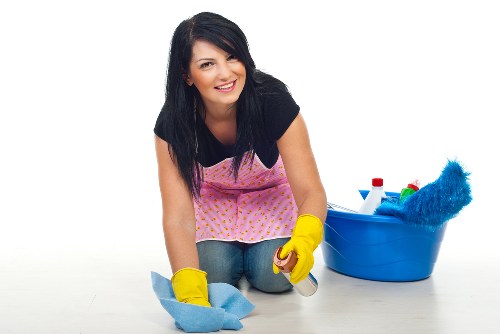
Carpet cleaning is one of the most important parts of keeping a home comfortable, attractive, and healthy. While carpets add warmth, texture, and style to living spaces, they also trap dust, dirt, pollen, pet dander, food particles, and everyday debris. Over time, these particles settle deep into the fibers, making regular carpet cleaning essential for both appearance and hygiene.
Many people think vacuuming is enough, but vacuuming only removes surface dirt. Professional carpet cleaning and routine maintenance go further by lifting embedded grime, reducing odors, and restoring the look of the flooring. For households with children, pets, or frequent foot traffic, carpet cleaning can make a dramatic difference in indoor comfort.
Beyond aesthetics, clean carpets contribute to a fresher indoor environment. If allergens and contaminants are left to build up, they can affect air quality and create an unpleasant atmosphere. That is why carpet cleaning is often recommended as part of regular home care, not just an occasional task.
Understanding the Real Benefits of Carpet Cleaning
One of the biggest advantages of carpet cleaning is the way it improves the overall feel of a room. A freshly cleaned carpet looks brighter, smells cleaner, and feels softer underfoot. This simple improvement can change the entire mood of a space, especially in bedrooms, living rooms, and family areas.
Another major benefit is the removal of hidden contaminants. Carpets can collect dust mites, bacteria, mold spores, and allergens, particularly in humid or busy environments. Regular carpet cleaning helps reduce these irritants, which is especially valuable for people who are sensitive to dust or who want to maintain a healthier home.
There is also a financial benefit. Carpets are an investment, and proper carpet cleaning helps protect that investment by preventing premature wear. Dirt particles act like tiny abrasives, cutting into the fibers each time someone walks across the carpet. Over time, this can flatten the pile and make the carpet look old before its time.
Common Reasons Carpets Get Dirty
Carpets become dirty for many reasons, and not all of them are obvious at first. Foot traffic is the most common source of soiling, especially in hallways, entryways, and family rooms. Even if shoes are removed indoors, dust and debris still travel in on socks, clothing, and pet paws.
Spills are another major cause of stains and odors. Coffee, wine, juice, sauces, and other liquids can quickly sink into carpet fibers and padding if they are not treated immediately. Carpet cleaning becomes much easier when spills are addressed quickly, but older stains often require more advanced treatment.
Pets also play a big role. Fur, dander, tracked-in dirt, and occasional accidents can create both visible and invisible buildup. Families with pets often need more frequent carpet cleaning to keep their homes fresh and odor-free.
Different Carpet Cleaning Methods Explained
There are several methods used for carpet cleaning, and each one has strengths depending on the type of carpet, level of soil, and desired results. Understanding these methods can help homeowners choose the right approach for their floors.
Hot water extraction, often called steam cleaning, is one of the most popular deep-cleaning methods. It uses heated water and cleaning solution to loosen dirt, followed by powerful extraction to remove moisture and contaminants. This process is widely used for deep carpet cleaning because it reaches far into the fibers.
Another method is dry carpet cleaning, which uses specialized compounds or low-moisture systems. This approach is useful when carpets need to be cleaned and dried quickly, such as in offices or high-traffic homes. It can be effective for routine maintenance, though it may not remove deeply embedded soil as thoroughly as steam-based methods.
Bonnet Cleaning, Shampooing, and Encapsulation

Bonnet cleaning is commonly used in commercial spaces and some residential settings. It involves a rotary machine with an absorbent pad that lifts dirt from the surface. While it can refresh carpet appearance quickly, it is usually better for surface-level carpet cleaning rather than deep restoration.
Shampooing is an older method that uses foam or liquid detergents worked into the carpet fibers. It can help lift grime, but if too much product is used or if rinsing is incomplete, residue may remain. That residue can attract dirt later, so shampooing should be handled carefully.
Encapsulation is a low-moisture carpet cleaning technique in which cleaning polymers trap soil particles as they dry. Once dry, the encapsulated particles are vacuumed away. This method is popular because it dries quickly and supports regular maintenance in busy spaces.
How Professional Carpet Cleaning Works
Professional carpet cleaning usually begins with inspection. A technician identifies the carpet type, the level of soiling, problem spots, and any delicate fibers or stains. This step ensures the right cleaning products and equipment are used for the best outcome.
Next comes pretreatment. Stains, heavily used pathways, and high-traffic areas are often treated with specialized solutions that loosen dirt and help break down oils. This makes the main carpet cleaning process more effective and can improve the final appearance.
After pretreatment, the cleaning machine is used to apply solution and remove soil. In deep carpet cleaning, suction power is important because it lifts dirt and moisture from the carpet, preventing residue buildup and helping the carpet dry more efficiently.
What to Expect After Carpet Cleaning
After professional carpet cleaning, carpets may feel slightly damp for a few hours, depending on the method used and indoor conditions. Good airflow, open windows, and fans can speed up drying. Once dry, the carpet often appears softer, fresher, and visibly renewed.
Some stains may lighten immediately, while others may require a second treatment or may not disappear completely if they are old or caused by dyes, bleach, or permanent damage. Honest expectations are important because carpet cleaning improves many issues but cannot always reverse every type of stain.
It is also common for fibers to stand up more after cleaning, especially in areas where the carpet had been flattened by foot traffic. This refreshed texture can make the whole room look cleaner and more inviting.
Signs Your Carpets Need Cleaning
Sometimes it is obvious when carpet cleaning is overdue, but other times the signs are subtle. A room may look clean at first glance while the carpet actually holds a significant amount of dirt and buildup.
Here are common signs that it is time for carpet cleaning:
- Visible stains or dark traffic lanes
- Lingering odors after vacuuming
- Allergy symptoms that seem worse indoors
- Carpet fibers that look dull or matted
- Pet accidents or pet odors
- Dust that returns quickly after cleaning
- Recent spills that have settled deep into the pile
If one or more of these issues are present, scheduling carpet cleaning sooner rather than later can help prevent deeper damage and more stubborn staining.
How Often Should Carpet Cleaning Be Done?
The right carpet cleaning schedule depends on household habits and the amount of traffic each area receives. In many homes, professional cleaning once or twice a year is a common recommendation. However, homes with children, pets, smokers, or heavy foot traffic may benefit from more frequent service.
High-use spaces such as living rooms, stairs, and hallways often need attention sooner than guest rooms or less-used areas. In busy households, regular carpet cleaning keeps the flooring looking consistent and helps prevent deep soil from becoming permanent.
Vacuuming weekly remains essential between professional visits. A strong routine with frequent vacuuming, immediate spill cleanup, and occasional spot treatment supports long-term carpet health and makes each carpet cleaning session more effective.
Carpet Cleaning Tips for Homeowners
Homeowners can take several simple steps to support cleaner carpets and reduce the need for intensive treatments. These habits help preserve the carpet’s appearance and improve results between professional visits.
Start with a consistent vacuuming schedule. Vacuuming removes loose dirt before it sinks deeper into the fibers. Focus on entryways, hallways, and areas where family members gather most often. Using a vacuum with strong suction and a clean filter improves the result.
It is also smart to address spills immediately. Blot the area with a clean cloth, avoid rubbing, and use only the cleaning product recommended for the carpet type. Quick action can prevent a minor spill from becoming a permanent stain and reduce the need for intensive carpet cleaning later.
Preventing Damage Between Cleanings
Prevention is one of the easiest ways to protect carpets. Door mats, area rugs, and furniture placement can help reduce wear in high-traffic zones. When people wipe their shoes on mats before entering, less dirt gets tracked onto the carpet.
Furniture pads are useful too. They reduce crushing and indentations from heavy items. Rotating furniture occasionally can also help distribute wear more evenly across the room, supporting a cleaner and more balanced carpet appearance.
For households with pets, regular grooming and paw wiping can significantly reduce fur and soil transfer. These small habits reduce buildup and make ongoing carpet cleaning simpler and more effective.
Why DIY Carpet Cleaning Is Not Always Enough
Many people try to handle carpet cleaning on their own with rental machines or store-bought products. While DIY efforts can help with light maintenance, they often do not match the performance of professional-grade equipment. Home machines may leave behind excess moisture or residue, both of which can affect results.
Another issue is overuse of detergent. Too much product can leave a sticky film on carpet fibers, causing the carpet to attract dirt faster. This means a home may look clean for a short time but become dirty again more quickly.
Professionals understand how to match cleaning methods to carpet fiber type, stain type, and soil level. That knowledge makes a significant difference, especially when carpets are heavily used or contain delicate materials.
Choosing the Right Carpet Cleaning Approach
The best carpet cleaning method depends on the situation. A synthetic carpet in a busy family room may respond well to hot water extraction, while a delicate or low-pile carpet may benefit from low-moisture care. Understanding the difference helps prevent damage and improve results.
If the main concern is odor, especially from pets or spills, deep cleaning and targeted deodorizing treatments may be necessary. If the concern is quick drying time, a low-moisture carpet cleaning option can be more practical. In some cases, a combination approach works best.
When in doubt, choose a cleaning method that balances effectiveness, drying time, and fiber safety. The goal is not just to make the carpet look better today, but to protect its condition for the long term.
Carpet Cleaning and Indoor Air Quality
Indoor air quality matters more than many homeowners realize. Carpets can act like a filter, trapping dust and particles that would otherwise float around the room. That can be helpful to a point, but once a carpet becomes overloaded, it can no longer hold contaminants effectively.
Routine carpet cleaning helps remove those trapped particles and may reduce the amount of dust released into the air during walking or vacuuming. For people with allergies or respiratory sensitivities, a cleaner carpet can contribute to a more comfortable living environment.
Maintaining cleaner carpets also supports a fresher smell throughout the home. Lingering odors from spills, pets, and everyday living often cling to fibers until the carpet is properly cleaned.
Stain Removal Basics Every Homeowner Should Know
Stain removal is an important part of carpet cleaning, but it works best when handled carefully. Different stains require different solutions, and using the wrong product can make a stain worse or even set it permanently.
For most fresh spills, blotting is better than scrubbing. Scrubbing can damage fibers and push the stain deeper. Gentle pressure, clean cloths, and the proper solution are usually more effective. Water alone is not always enough, especially for oil-based or colored stains.
Some of the toughest stains include red wine, coffee, ink, makeup, grease, and pet accidents. These often require a specialized treatment as part of a broader carpet cleaning plan. If a stain persists, professional attention can prevent further damage.
Cleaning Around Pets and Children
Homes with pets and children need a practical carpet cleaning strategy. Children may spill food and drinks more often, while pets can track in dirt and occasionally have accidents. These everyday realities make regular maintenance important.
A good routine includes prompt cleanup, pet grooming, toy and snack area organization, and scheduled professional carpet cleaning. This helps protect the carpet while keeping the home comfortable for everyone.
Consistency is key. Small daily habits reduce the workload later and support cleaner, healthier floors all year long.
How to Prepare for a Carpet Cleaning Appointment
Preparing for carpet cleaning helps the process go more smoothly and may improve results. Start by removing small items, fragile decor, and lightweight furniture from the room if possible. This gives technicians better access to the carpet surface.
It is also helpful to point out stains, problem areas, and any previous damage before cleaning begins. That way, expectations are clear and the treatment can be focused where it is most needed.
Make sure walkways are clear and pets are secured in another room. Good preparation allows the carpet cleaning process to move efficiently and keeps the home organized while the work is being completed.
The Long-Term Value of Regular Carpet Cleaning
Regular carpet cleaning offers more than short-term visual improvement. It helps preserve the texture, color, and structure of the carpet, which can delay the need for replacement. That makes it a smart investment for homeowners who want to protect their flooring.
Over time, clean carpets also create a more pleasant home environment. Rooms feel fresher, guests notice the difference, and daily living becomes more comfortable. Even small improvements in carpet care can have a noticeable effect on the entire home.
Whether the goal is stain removal, odor control, better air quality, or simply a more attractive space, carpet cleaning delivers practical benefits that continue long after the service is done.
Final Thoughts on Keeping Carpets Clean and Comfortable
Carpet cleaning is more than a cosmetic task. It supports a healthier indoor environment, improves the look of your home, and helps your flooring last longer. From vacuuming and spot treatment to deep cleaning and stain removal, every step matters.
When carpets are cared for regularly, they stay softer, fresher, and more inviting. That means better comfort for your family and a more polished appearance throughout your living space. If your carpets are showing signs of wear, now is the right time to act.
Book your service now to refresh your floors and restore confidence in your home’s cleanliness. Contact us today to take the next step toward cleaner carpets and a healthier living environment.