Office Cleaning in Modern Workplaces: Creating Healthier, More Productive Spaces
Office cleaning plays a much bigger role in daily business operations than many people realize. A tidy workspace is not just about appearance; it supports health, improves productivity, shapes first impressions, and helps maintain a professional environment that employees and visitors can trust. Whether you manage a small startup, a busy corporate floor, a shared coworking hub, or a multi-level commercial building, office cleaning is an essential part of keeping your business running smoothly.
Today’s workplaces are more dynamic than ever. Teams share desks, meeting rooms, kitchens, and equipment, which means germs and clutter can spread quickly if cleaning routines are inconsistent. That is why businesses increasingly view office cleaning as a strategic necessity rather than a background task. A clean office can reduce distractions, support better morale, and create an environment where people can do their best work.
In this article, we’ll explore the value of professional office cleaning, the areas that matter most, the methods that deliver the best results, and the habits that help maintain a polished workplace every day. If you want a cleaner, healthier, and more productive workplace, book your service now or start planning a cleaning routine that matches the way your business works.
Why Office Cleaning Matters More Than Ever

Office cleaning is often associated with neat floors and empty bins, but its benefits reach much further. A well-cleaned office supports employee wellbeing, makes clients feel welcome, and helps protect shared spaces from buildup, stains, and unpleasant odors. In a busy workplace, even small lapses in cleanliness can quickly become visible, affecting how the entire business is perceived.
From a health standpoint, regular office cleaning reduces dust, allergens, bacteria, and viruses that accumulate on surfaces and in the air. This matters in open-plan offices, reception areas, conference rooms, and break rooms where many people interact throughout the day. With consistent cleaning, you help create a workplace that feels safer and more comfortable for everyone.
There is also a strong productivity connection. People tend to focus better in organized spaces because they spend less time dealing with clutter, odors, or dirty shared surfaces. Strong office cleaning services can improve the flow of work by making the environment more inviting and easier to navigate.
What Professional Office Cleaning Typically Includes
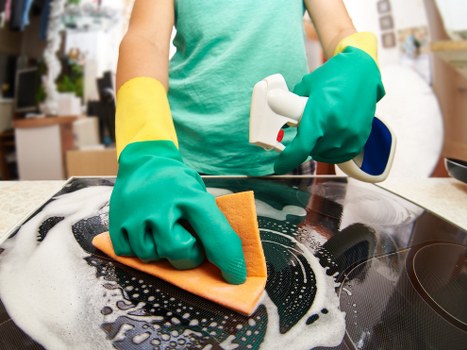
Professional office cleaning usually covers a combination of daily maintenance and deeper periodic tasks. The exact scope depends on the size of the office, the number of employees, the type of business, and how often the space is used. While every workplace is different, most cleaning plans focus on high-traffic and high-touch zones.
Common tasks in office cleaning include:
- Dusting desks, shelves, ledges, and office furniture
- Vacuuming carpets and mats
- Mopping hard floors
- Cleaning and sanitizing restrooms
- Wiping down keyboards, phones, and shared devices
- Emptying trash and recycling bins
- Cleaning kitchen and break room areas
- Polishing glass, mirrors, and interior doors
- Disinfecting high-touch points such as handles and switches
For many businesses, commercial office cleaning also includes window cleaning, upholstery care, deep carpet treatment, and periodic floor restoration. These services help preserve the office over time and reduce wear on expensive fixtures and finishes.
Daily Cleaning vs. Deep Cleaning
Daily office cleaning focuses on visible upkeep and hygiene. It keeps surfaces fresh, trash under control, and restrooms usable throughout the workweek. Deep cleaning, on the other hand, tackles the hidden buildup that daily tasks may miss, such as grime around baseboards, dust behind furniture, and residue in kitchen appliances.
Using both approaches together creates a stronger overall result. Office cleaning works best when surface-level cleanliness is supported by regular deep cleaning on a weekly, monthly, or quarterly basis.
Key Areas That Need Special Attention

Not every part of an office experiences the same level of use. Some areas demand more frequent attention because they collect dirt, germs, and clutter faster than others. Prioritizing these areas helps make office cleaning more effective and efficient.
1. Reception and Entry Zones
The reception area is often the first thing people notice. Clean floors, dust-free surfaces, and streak-free glass create a strong first impression. Since visitors, delivery personnel, and staff pass through this space constantly, office cleaning here should be visible, consistent, and welcoming.
2. Workstations and Shared Desks
Desks can accumulate paperwork, food crumbs, fingerprints, and dust quickly. Shared desks may also carry bacteria from frequent use. Careful office cleaning of desks, monitors, chairs, and surrounding areas helps maintain a cleaner workspace and reduces the spread of germs.
3. Restrooms
Restrooms require special cleaning attention because they directly affect employee comfort and hygiene. Proper disinfecting, restocking supplies, and removing odors are all essential. Inadequate restroom care can quickly create a negative impression, even if the rest of the office looks spotless.
4. Kitchens and Break Rooms
Food preparation and storage spaces often become the messiest parts of an office. Sinks, microwaves, refrigerators, counters, and tables need regular cleaning to prevent stains, smells, and contamination. Good office cleaning in these areas supports better hygiene and a more pleasant break experience.
5. Meeting Rooms
Meeting rooms should feel organized and ready for use at all times. Dusty tables, smudged screens, and dirty chairs can distract participants and reduce the professionalism of the space. Regular office cleaning keeps meeting rooms polished and functional.
The Health Benefits of a Clean Office

Health and office cleaning go hand in hand. The more people a workplace serves, the more important hygiene becomes. Shared environments create opportunities for germs to spread, especially on surfaces that are touched repeatedly throughout the day.
Routine office cleaning services help reduce contamination on desks, handles, counters, appliances, and bathroom fixtures. This can lower the chances of illnesses moving through the office and disrupting work. When employees feel the environment is cared for, they are often more comfortable and confident in their surroundings.
Beyond germs, office cleaning also helps improve indoor air quality. Dust, debris, and other particles can affect breathing comfort and aggravate allergies. Regular vacuuming, dusting, and ventilation-friendly cleaning practices contribute to a healthier atmosphere.
Supporting Mental Wellbeing
A clean office can also support mental clarity. Cluttered or dirty spaces often feel stressful and distracting, while organized environments tend to encourage focus and calm. A professional approach to office cleaning helps create a space where people can think clearly and stay on task.
Clean spaces promote confident work habits, better mood, and a more positive workplace culture. That is why many organizations now treat office cleaning as part of their overall employee wellbeing strategy.
How Cleanliness Affects Workplace Culture
When a business invests in office cleaning, it sends a message that staff comfort and professionalism matter. Employees notice when the environment is cared for, and that attention can strengthen pride in the workplace. In turn, this can encourage employees to respect shared areas, keep desks tidier, and contribute to a more organized office culture.
Choosing the Right Office Cleaning Approach

Every business has different cleaning needs, so the best office cleaning approach depends on how your workspace is used. A small office with limited traffic may only need routine cleaning a few times per week, while a larger office with heavy footfall may require daily attention and periodic deep cleans.
There are generally three ways businesses manage office cleaning:
- In-house cleaning - Staff members handle basic tidying and upkeep.
- Hybrid cleaning - Internal staff maintain daily order while professional cleaners handle specialized tasks.
- Professional cleaning service - A dedicated provider manages office cleaning on a recurring schedule.
For most businesses, hiring professionals is the most efficient choice because it brings consistency, expertise, and the right equipment. Professional office cleaning teams know how to sanitize high-touch zones, clean different surface types safely, and work around business hours with minimal disruption.
Factors to Consider When Planning Office Cleaning
- Office size and layout
- Number of employees and daily visitors
- Type of flooring and furnishings
- Industry-specific hygiene requirements
- Frequency of use for kitchens, restrooms, and meeting rooms
- Need for after-hours or weekend cleaning
When these factors are considered carefully, office cleaning becomes more targeted and cost-effective. The result is a cleaner workplace without wasting time or resources on the wrong tasks.
Office Cleaning and First Impressions
First impressions form quickly, and office cleaning has a direct effect on what clients, partners, and job candidates think about your business. A clean, bright, and organized workspace suggests professionalism, discipline, and attention to detail. In contrast, dusty surfaces or messy communal areas can create doubt, even if the business itself performs well.
Reception areas, corridors, and conference rooms matter especially because they are often seen by visitors before they experience any of your products or services. Strong office cleaning in these spaces helps establish trust and creates a sense of confidence in your organization.
Even small details matter. Smudged glass doors, stained carpets, overflowing bins, or fingerprints on lobby tables can weaken the overall presentation. By keeping these issues under control, your office cleaning plan becomes part of your brand image.
Why Clients Notice Cleanliness
Clients may not comment on every detail, but they definitely observe the environment. Cleanliness signals that the business is organized, responsible, and ready to handle important work. That is especially true in offices where privacy, professionalism, and trust are important, such as legal firms, consulting spaces, finance offices, and medical administration areas.
A well-maintained office can subtly support business growth by helping clients feel comfortable and respected from the moment they walk in.
Best Practices for Keeping an Office Clean Between Services
Professional office cleaning works best when supported by everyday habits. Even the most skilled cleaning team needs cooperation from staff to maintain a tidy workplace between scheduled visits. Fortunately, small routines can make a big difference.
Simple Daily Habits That Help
- Clear desks at the end of each day
- Wipe up spills immediately
- Throw away food wrappers and disposable cups
- Keep kitchen counters clean after use
- Return shared items to their proper places
- Encourage staff to keep personal work areas organized
These habits reduce clutter and help office cleaning teams focus on deeper sanitation tasks instead of basic reset work. They also make the office feel more efficient and professional throughout the day.
Creating a Cleanliness Culture
When management reinforces cleanliness expectations, employees tend to follow suit. That does not mean the workplace should feel rigid or overly controlled. Instead, the goal is to create shared responsibility so everyone contributes to a pleasant environment.
Office cleaning is most effective when it is supported by workplace behavior. Simple things like labeling storage areas, setting trash disposal expectations, and keeping shared equipment tidy can make a lasting difference.
Choosing Professional Office Cleaning Services
When selecting a cleaning provider, businesses should look beyond price alone. The quality of office cleaning depends on training, reliability, flexibility, and the ability to handle the specific needs of the workplace. A good provider should understand how to work discreetly, protect office assets, and deliver consistent results.
What to Look For in a Provider
- Experience with commercial and office environments
- Use of safe and effective cleaning products
- Flexible scheduling options
- Clear task lists and service expectations
- Attention to high-touch sanitation
- Ability to handle deep cleaning and routine maintenance
It is also helpful to choose a provider that can adjust the office cleaning plan as your business changes. If your team grows, your meeting schedule becomes busier, or your building usage changes, the cleaning routine should adapt accordingly.
Why Consistency Matters
Consistency is one of the biggest advantages of professional office cleaning. A one-time tidy-up may look good for a day, but regular service keeps the workplace in a stable condition over time. This is especially important in busy offices where dust, fingerprints, and trash build up quickly.
With a dependable service in place, you can contact us today to improve the appearance, health, and function of your office environment. A clean office is not just a finishing touch; it is part of how your business operates every day.
Long-Term Value of Clean Workspaces
Over time, regular office cleaning can help protect flooring, furniture, fixtures, and equipment from premature wear. This may reduce the need for repairs or replacements and can contribute to better long-term value for the business. Clean spaces also support staff retention and client confidence, making the investment worthwhile.
Seasonal and Specialized Office Cleaning Needs
Different times of the year can create different cleaning challenges. In colder months, offices may deal with mud, salt, and moisture from shoes and coats. In warmer seasons, dust, pollen, and increased foot traffic can make surfaces dirty more quickly. Office cleaning plans should account for these seasonal shifts.
Seasonal Adjustments to Consider
- More frequent floor care during wet weather
- Extra dusting during pollen-heavy months
- Greater attention to air vents and filters
- Additional restroom and kitchen sanitation during busy periods
- Deep cleaning before major office events or audits
Some businesses also need specialized office cleaning based on their industry. Technology companies may require extra care for devices and screens. Legal or financial offices may need secure handling of documents during cleaning. Medical administration environments may need stronger sanitation protocols. Tailoring office cleaning to the nature of the work improves both safety and efficiency.
Deep Cleaning as a Seasonal Reset
Many offices benefit from a planned deep cleaning schedule several times per year. This can refresh carpets, remove buildup from hard-to-reach areas, and restore a polished look to the workplace. A deeper reset supports regular office cleaning and keeps the environment from gradually becoming dull or worn.
The Business Case for Office Cleaning
Office cleaning is not just a maintenance expense; it is a business-supporting service. Clean workplaces can improve staff morale, enhance client perception, and reduce avoidable interruptions caused by mess, odors, or hygiene issues. In many cases, the return on investment is visible in both day-to-day operations and long-term workplace quality.
For decision-makers, office cleaning can be evaluated through several benefits:
- Fewer distractions and better productivity
- Improved workplace hygiene
- Reduced complaints about cleanliness
- Better preservation of office assets
- Stronger brand presentation
- More welcoming client and visitor experiences
When these advantages are combined, office cleaning becomes a practical part of business success. It supports the people who work there, the visitors who enter, and the long-term condition of the office itself.
If your current cleaning routine feels inconsistent or incomplete, now is the time to reassess. A stronger plan can make a measurable difference in how your workplace looks, feels, and performs. Book your service now and take the next step toward a cleaner office environment.
Final Thoughts
Office cleaning is one of the simplest ways to support a healthier, more productive, and more professional workplace. From reception areas to break rooms, every part of the office benefits from regular attention and smart cleaning practices. When cleaning is handled consistently and thoughtfully, the entire workplace runs better.
Whether you need routine upkeep, deep cleaning, or a tailored commercial maintenance plan, investing in office cleaning is a smart decision for any business that values appearance, comfort, and performance. A cleaner office is not only nicer to look at; it is a better place to work, meet, and grow.